



Ensuring clean and safe drinking water begins with an understanding of what may be in the water supply. Various substances, ranging from suspended sediment to unwanted minerals and microorganisms, present unique issues for many domestic water supplies.
Buying a water purifier without considering the potential contaminants requires an investment that may not suit the particular needs of the household.
Families considering the purchase of a water purifier in Siliguri may begin their search in Siliguri by identifying the water source and extent of impurities that may require removal. The selection of an appropriate purifier for the home will improve the quality of the drinking water available to the family.
1. Identify the source of water:
Selecting the most suitable water purification system begins with an examination of the circumstances under which the family obtains its water.The supply source plays a major role in determining the impurities that may be present and the degree of purification required.
Municipal water supply provides treated water for many residents; however, this water may become contaminated during transport and storage. Depending on the level and nature of impurities, sediment filters, activated carbon, or other forms of treatment may be required.
In the case of a groundwater supply, such as borewell water, high levels of minerals or other substances may require reverse osmosis or a separate form of treatment depending on laboratory findings. In the case of stored water, contaminants may originate in overhead tanks or similar storage vessels.
By considering the source of the family’s water, they can gain a clearer picture of the potential contaminants before narrowing the choice down to water purifiers that may suit their needs.
2. Testing total dissolved solids in water:
Total dissolved solids (TDS) refer to the combined content of all inorganic ions in water, including salts, minerals, and other dissolved substances. The TDS level meter can provide a reasonable level of insight into the potential impurities present in a given region.
Although it is easy to measure TDS levels using a TDS water meter, this information is insufficient to determine whether the water is suitable for domestic use. It is important to understand that TDS levels indicate the quality of total dissolved substances. For example, high TDS levels may indicate excessive concentrations of sodium, calcium, iron, and other chemicals.
When assessing your water quality, keep the following points in mind:
- While low levels of TDS suggest the presence of less than ideal amounts of dissolved solids, this is not sufficient reason to invest in a reverse osmosis water purifier since microbes are still present and pose a health risk to the family.
- TDS levels are not a decisive factor in choosing a water purification method. If the water contains excessive levels of dissolved solids, an RO purification system may be an effective choice, as it can remove a significant portion of these impurities depending on the system’s efficiency.
Before purchasing a water purifier, families must undergo appropriate laboratory tests to determine the nature and level of impurities present. Families searching for water purification methods that suit their needs can benefit immensely from a combined water purifier, which utilizes more than one technology to remove impurities.
3. Differences between RO, UV, and UF?
Water purification technology varies depending on the type of contaminant that needs to be removed. Understanding the different water purification technologies can help a family in choosing a water purifier that best suits their needs.
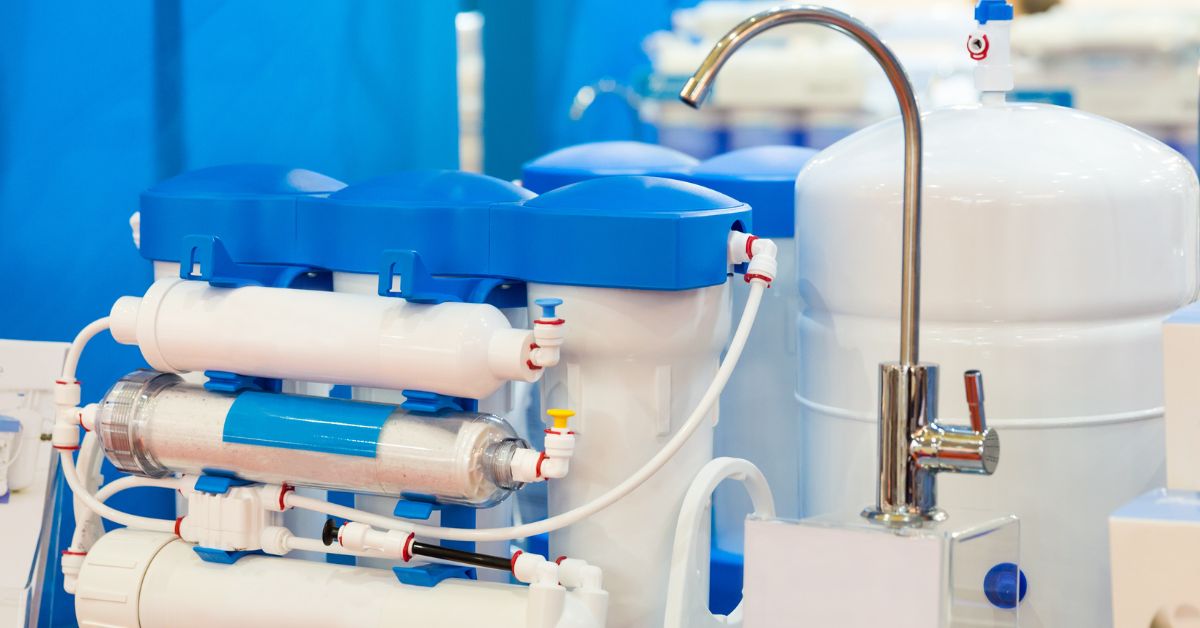
Water purification technologies such as RO, UV, and UF can significantly improve the quality of drinkable water by removing impurities and ensuring safe consumption. RO water purifiers utilize a proprietary semipermeable membrane to remove dissolved salts and other impurities.
UV water purification technology uses a low-pressure mercury lamp to emit ultraviolet light, which kills bacteria and viruses in the water, although UV light removes neither dissolved salts nor heavy metals from the water. A UV water purifier is also effective if the clarity of the water is good and the apparatus is serviced regularly.
Ultrafiltration (UF) water purifiers have the ability to separate colloidal particles and bacteria from water. Unlike RO, UF water purifiers are not suitable for removing salt and impurities that require such a method of purification.
While RO water purification methods are ideal for removing a variety of dissolved impurities, each water purifier has its strengths and weaknesses. Families that are purchasing a water purifier should keep contaminants in mind and choose the method based on the contaminants they wish to remove. The choice of an appropriate water purifier to suit a family’s requirements will ensure that they receive the highest quality of water.
4. Match the purification method to the contaminant:
Contaminants vary from one family to another, depending on the source of the water supply and other environmental factors. Families should ensure that the appropriate method is selected to suit their particular impurity problem.
Water purification system considerations based on particular contaminants are given below:
- High levels of dissolved salts:An RO water purifier may be appropriate for salt removal depending on laboratory findings.
- Bacterial or microbial contamination:The appropriate validated method to remove bacteria should be selected.
- Suspended particulate matter: Sediment filters can be useful for separating sand, mud, and other suspended particles from the water.
- Taste and odour problems:Activated carbon may improve water odour and taste if the impurity originates from substances that the carbon filter can effectively remove.
- High iron content:Appropriate iron removal methodology should be investigated depending on the level of iron
- High concentration of fluoride, arsenic, or similar impurities: Appropriate equipment that has been validated for such impurities should be investigated; families may want to ensure that treated water is checked for compliance with standards.
-
Hard water:Families should research suitable water softening equipment depending on whether it is a drinking water problem or otherwise.
It is important to remember that, while one method of water purification can effectively target one type of contaminant or impurity, it may not be suitable for removing another.
5. Assessing water source within your house:
The nature of the water supply can vary from one house to another, even within the same region. The source of water, as well as the condition of the supply and storage system, influences the composition of water that flows from the kitchen tap.
It is advisable for the family to look into their water source when searching for a water purifier to suit their needs rather than generalizing the issues for the whole area. A family that receives water from municipal sources may have different concerns than a family that utilizes a bore well.
In such situations, families can identify the impurity problem by first examining the water source, looking into the condition of any overhead tank, and arranging appropriate laboratory tests to determine the nature of the impurity.
Based on the test results, families can explore their options regarding appropriate water purification equipment.
6. Consider your family’s daily water requirements:
While technology is an important consideration when purchasing a water purifier, convenience should also be taken into account. Families must ensure that the selected purifier system is not only appropriate for their needs, but that it can also fulfill their needs on a day-to-day basis, making drinking clean and safe water more accessible.
The quantity of water that a family requires should be taken into account when considering the potential options. General considerations that the family should keep in mind include their water needs, the quality of purified water available from a given system, and their budgetary constraints. With respect to the latter. Families should analyze the purchase price in conjunction with ongoing maintenance and servicing costs associated with the selected water purifier.
Other relevant considerations that should be taken into account if the family selects an RO water purifier include water recovery, not the amount of water produced by the device and the amount of water that is rejected as waste by the system.
Families should analyze such characteristics of a water purifier in conjunction with laboratory results and requirements to ensure that the selected option can fulfill their needs conveniently and within the budget.
Final thought:
Choosing an appropriate water purification method begins with an understanding of the family’s needs. Families should identify the source of the water and ensure that laboratory tests are conducted to determine the nature of contaminants that may need to be removed. By utilizing a combination of convenience considerations alongside test results, families can find a water purifier that allows them to obtain the highest level of water quality with minimal costs involved.
If you are looking for a reliable water purifier in Siliguri, visit Renaissance Kitchen and Home Solutions to explore suitable water purification solutions for your household.
FAQS:
1. What is the way to select the appropriate water purifier?
Families should ensure that an appropriate test is conducted to determine the source of their water. Subsequently, they can conduct an appropriate test to determine the contaminants present and utilize this information to choose a water purifier that can suit their needs.
2. Do you need an RO purifier?
Not necessarily; families should consult the appropriate water purification laboratory to determine the level of purification that is required. Depending on the results, an RO water purifier may or may not be appropriate.
3. Can a UV purifier remove dissolved salts present in water?
No. UV technology targets bacteria and other microbes in water and does not remove dissolved salts, heavy metals, or other impurities.
4. Can you determine water quality by looking at TDS?
Not entirely. While a TDS meter can indicate the level of total dissolved solids present in the water, this analysis cannot determine whether the water is safe or not. In addition, TDS levels cannot indicate the types of contaminants that may be present.
In order to determine whether the water is suitable for consumption, families must conduct suitable laboratory tests.
5. How frequently do you need to change filters on your water purifier?
Depending on the type of water purifier, the type and level of contaminants, and other considerations, families must make sure that they replace filters and other parts when necessary, based on the manufacturer's recommendations.